
When choosing a knife, most people focus on steel type or handle material, but blade profile plays an equally important role in how a knife performs. The shape of a blade determines how it slices, pierces, and controls material, making certain profiles better suited for specific tasks.
At Gordian Key Forge, every knife is designed and forged with purpose. Blade profile is one of the first decisions made in any custom or handmade knife, because it directly affects how the finished piece will perform in real-world use. While there are many blade profiles and variations, this guide explores the most common ones and explains what each is best used for, helping you choose a knife that truly fits your needs.
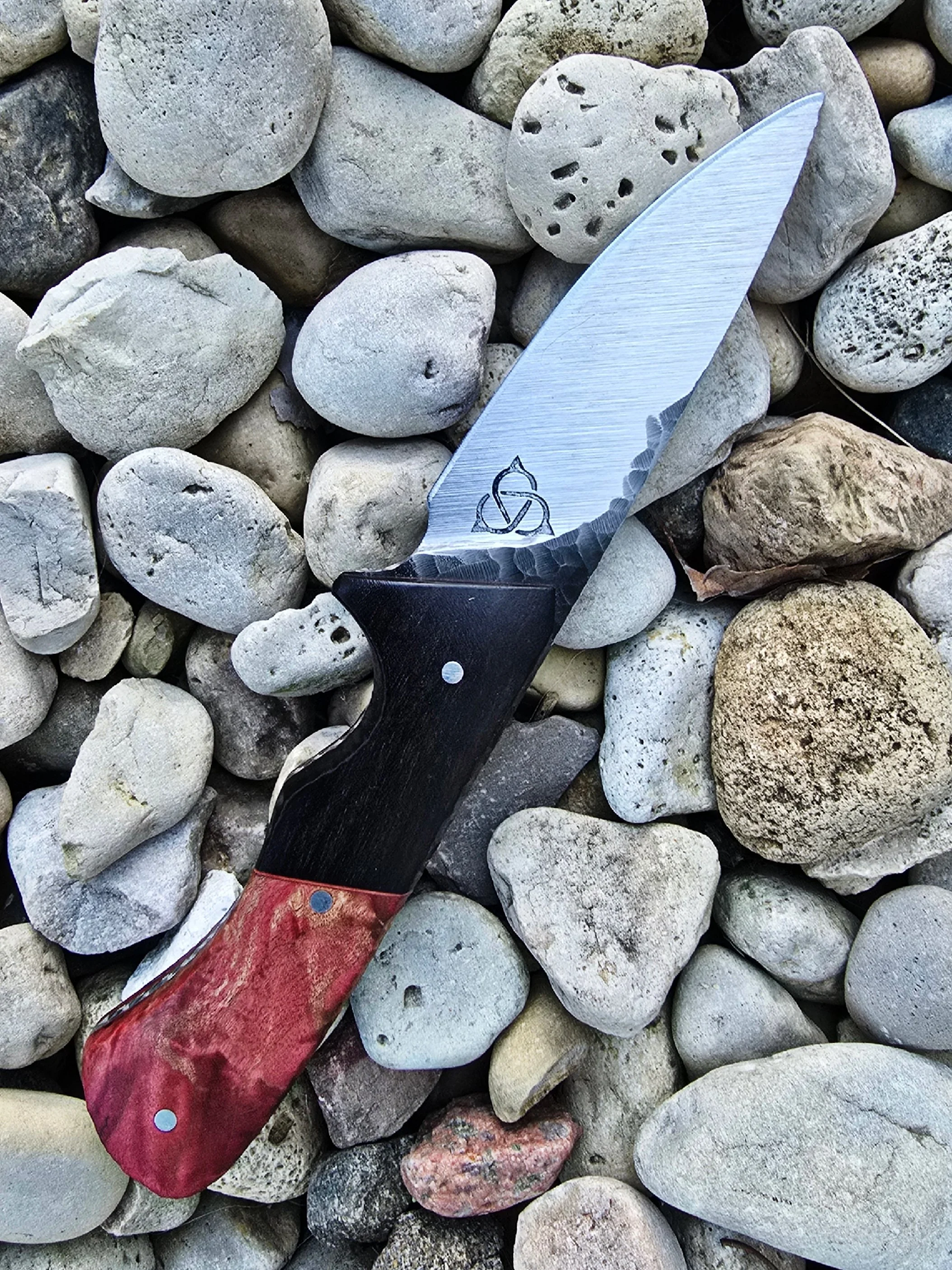
Drop Point
The drop point is one of the most versatile and widely used blade profiles. It features a gently sloping spine that “drops” toward the tip, creating a strong and controllable point. Because the tip sits closer to the blade’s centerline, it offers excellent strength without sacrificing precision. For handmade knives, the drop point is a favorite because it balances performance and durability.
Best uses:
Everyday carry (EDC) knives
General utility and shop work
Outdoor and bushcraft tasks
Clip Point
A clip point blade is defined by the concave or straight “clipped” section near the tip of the spine. This design creates a finer, sharper point than a drop point, allowing for greater control during detailed cutting tasks.
Best uses:
Precision cutting and detail work
Carving and trimming
Everyday utility knives
Dagger
The dagger blade is characterized by its symmetrical shape and dual cutting edges, with the tip aligned perfectly along the centerline of the blade. This design prioritizes balance, alignment, and precision. In handmade knives, dagger blades demand exacting craftsmanship. Symmetry, grind consistency, and heat treatment must be precise, making this profile a true test of a bladesmith’s skill.
Best uses:
Precision point work
Historical or collector-focused knives
Display pieces and specialty builds
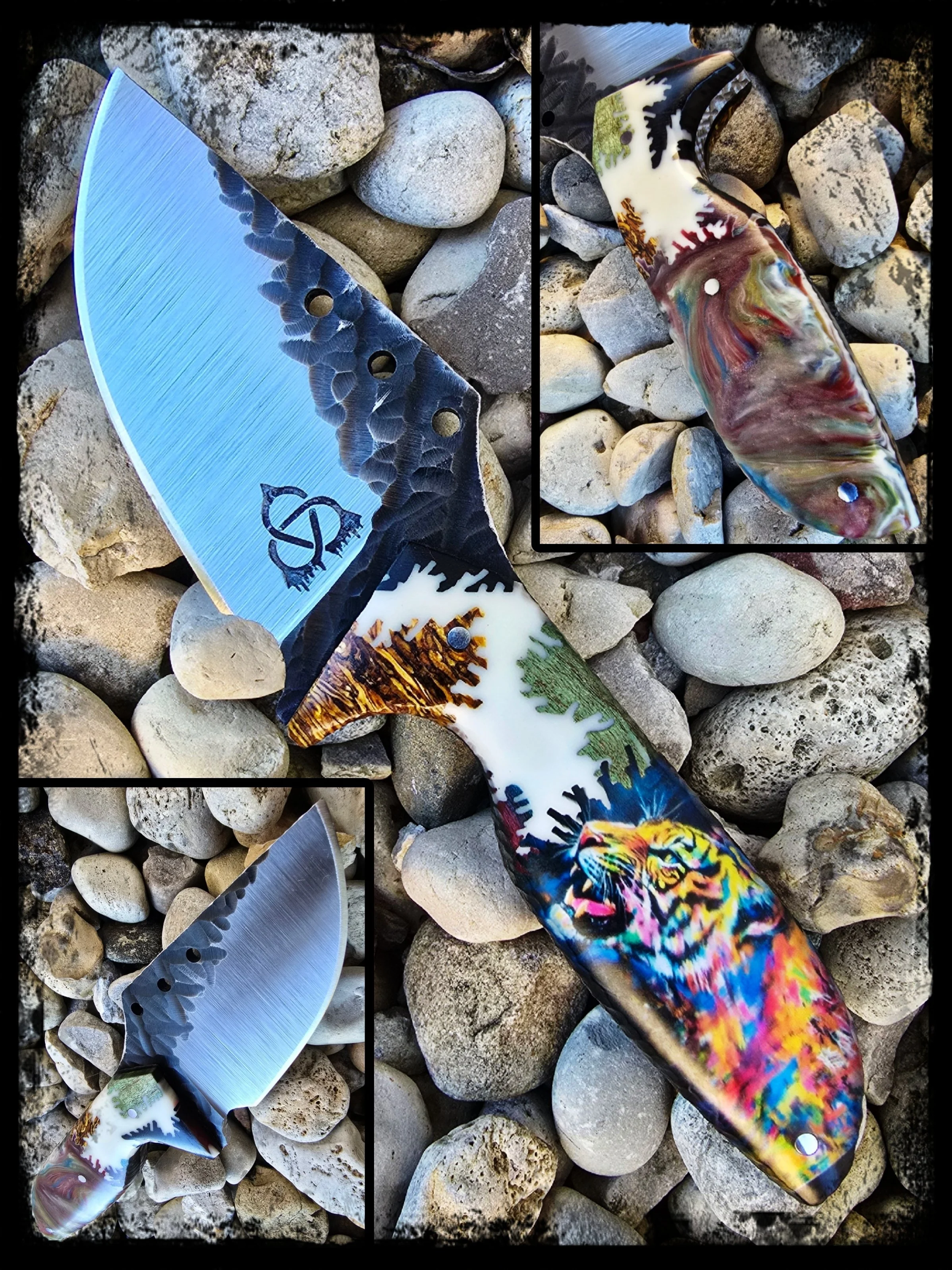
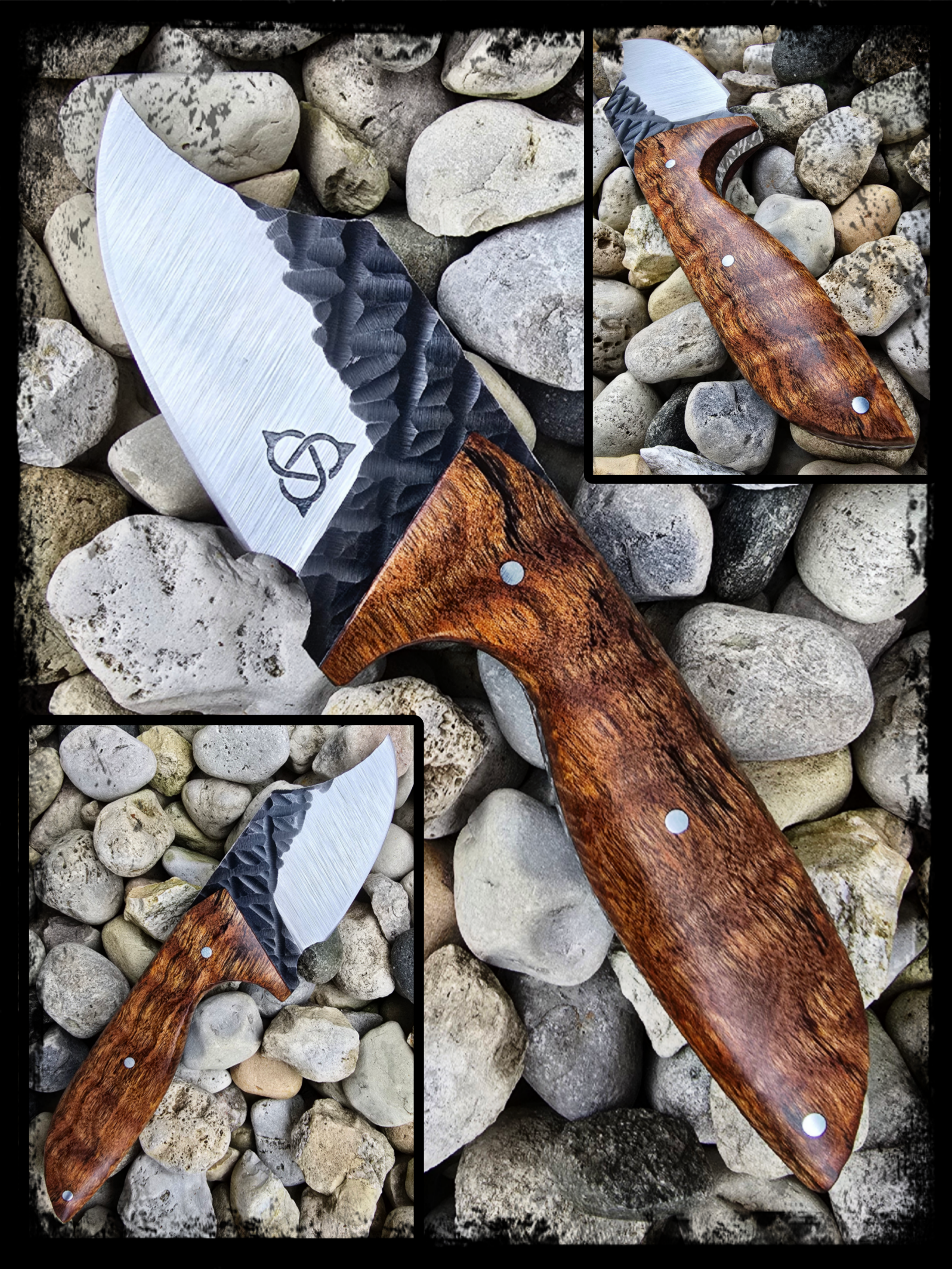
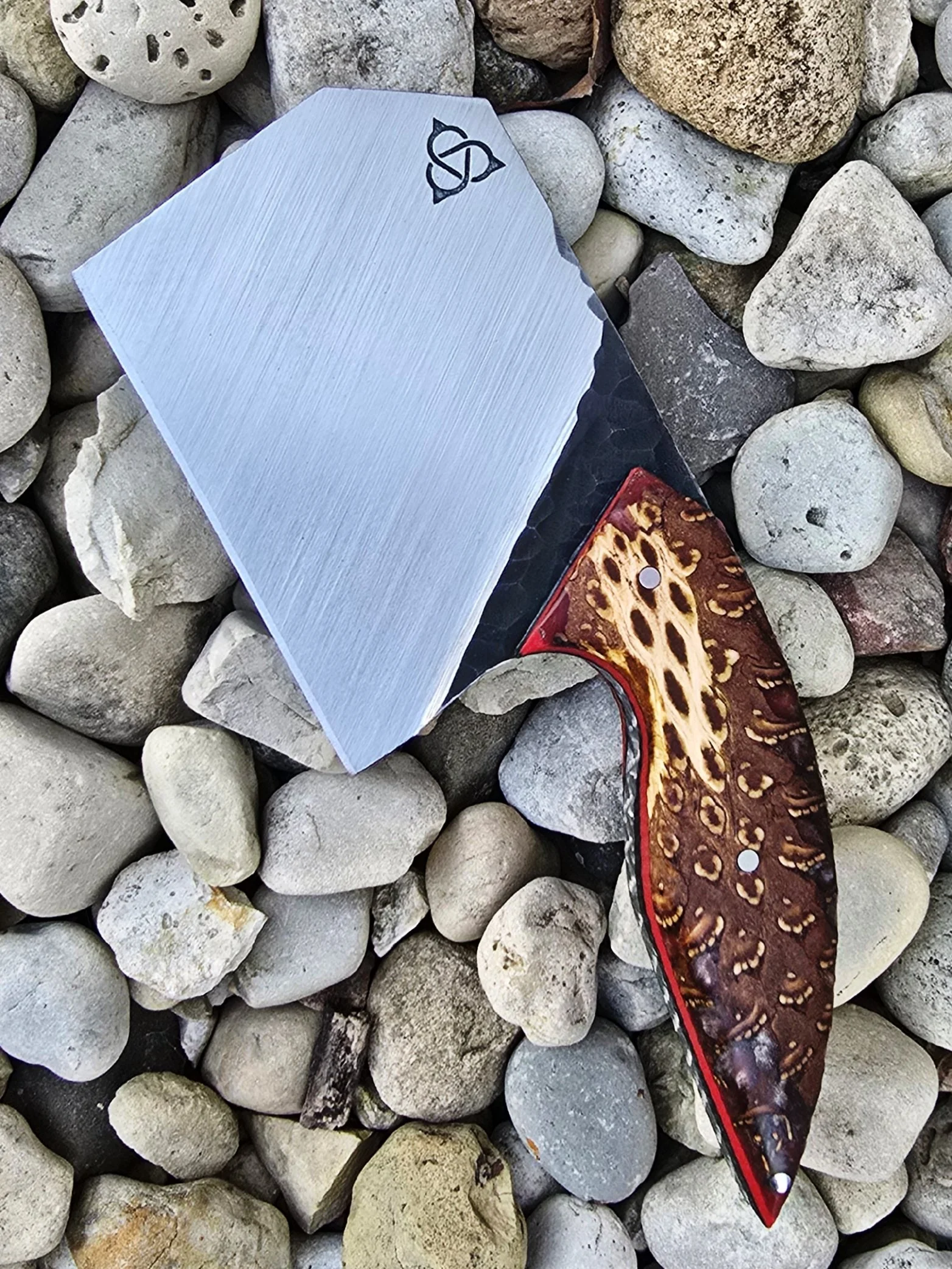
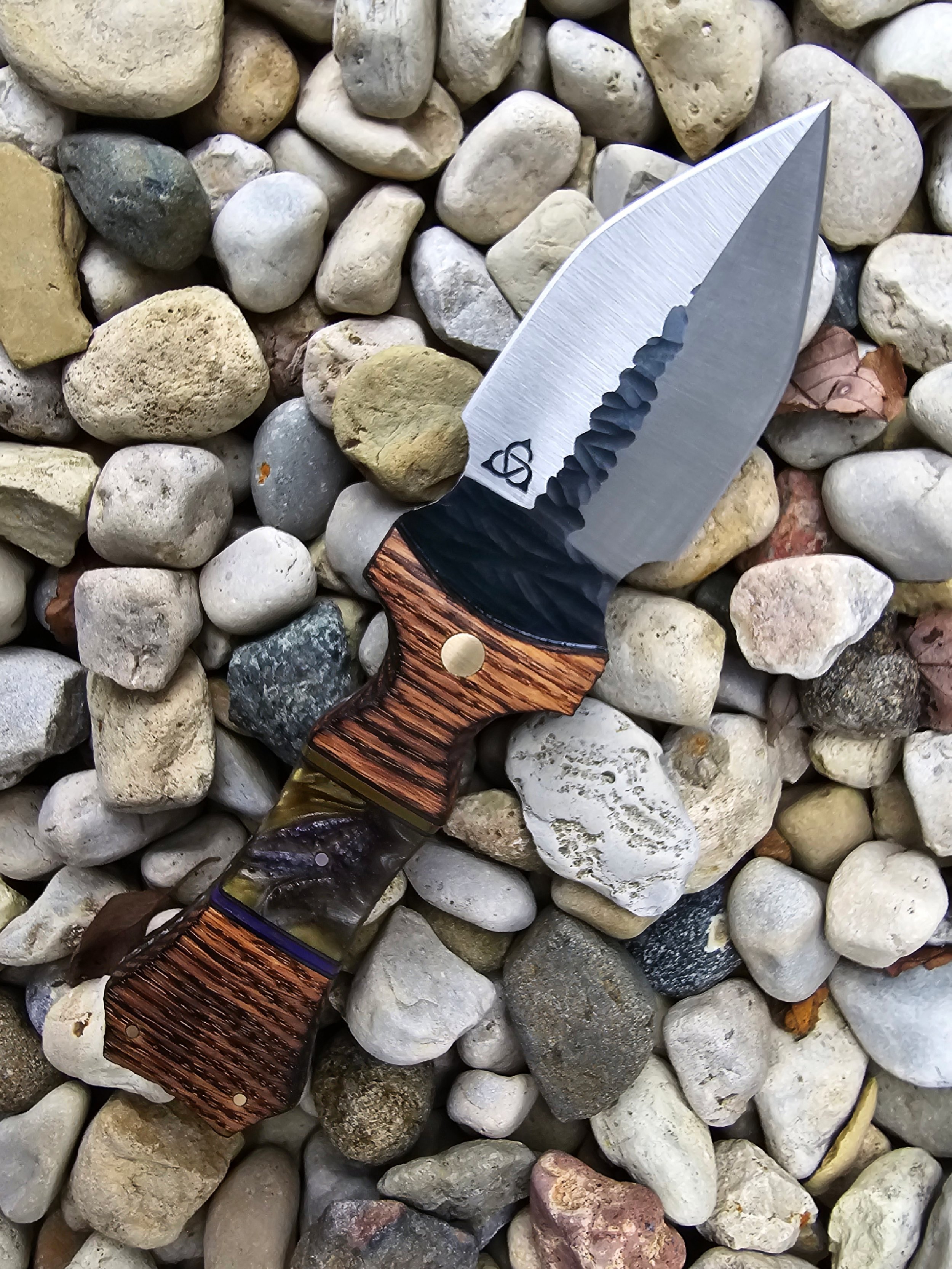
Tanto
The tanto blade is known for its reinforced tip and angular geometry. Traditional Japanese tantos feature smoother transitions, while American tanto designs emphasize strength and durability at the tip. The tanto profile is chosen for users who prioritize ruggedness and bold geometry.
Best uses:
Heavy-duty cutting tasks
Jobs requiring a strong tip
Utility and hard-use knives
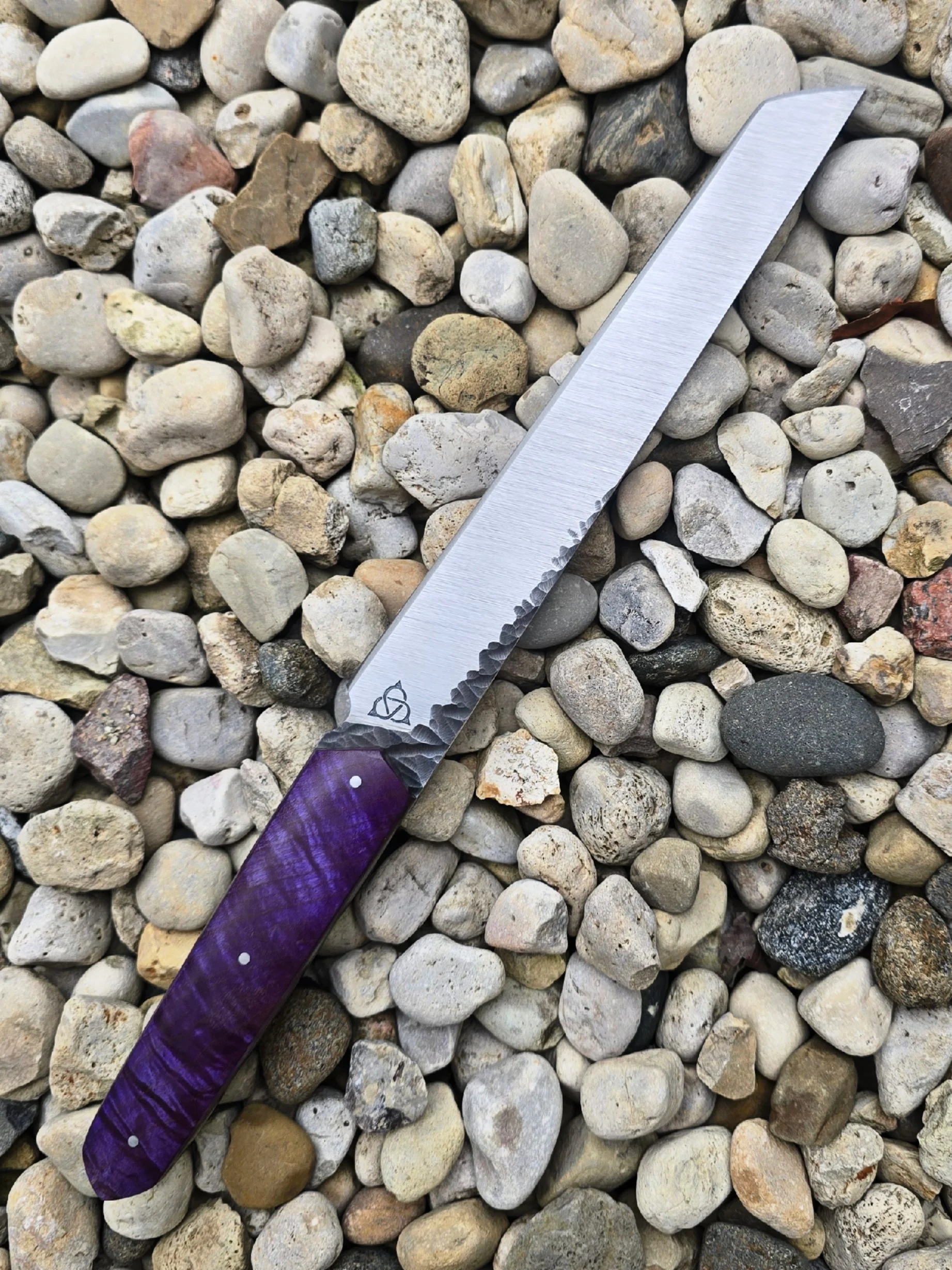
Wharncliffe
A Wharncliffe blade combines a straight cutting edge with a spine that slopes downward to a fine point. This design excels at controlled, precise cutting, particularly on flat surfaces.
Best uses:
Woodworking and carving
Controlled slicing on flat surfaces
Detail-oriented cutting
Trailing Point
A trailing point blade features an upward-curving edge that creates a long, sweeping belly. This profile excels at slicing and allows the blade to stay engaged with the material throughout the cut. Handmade trailing point knives highlight the fluid lines of the blade and are often favored for kitchen and processing knives.
Best uses:
Food preparation and chef knives
Skinning and processing tasks
Long slicing cuts
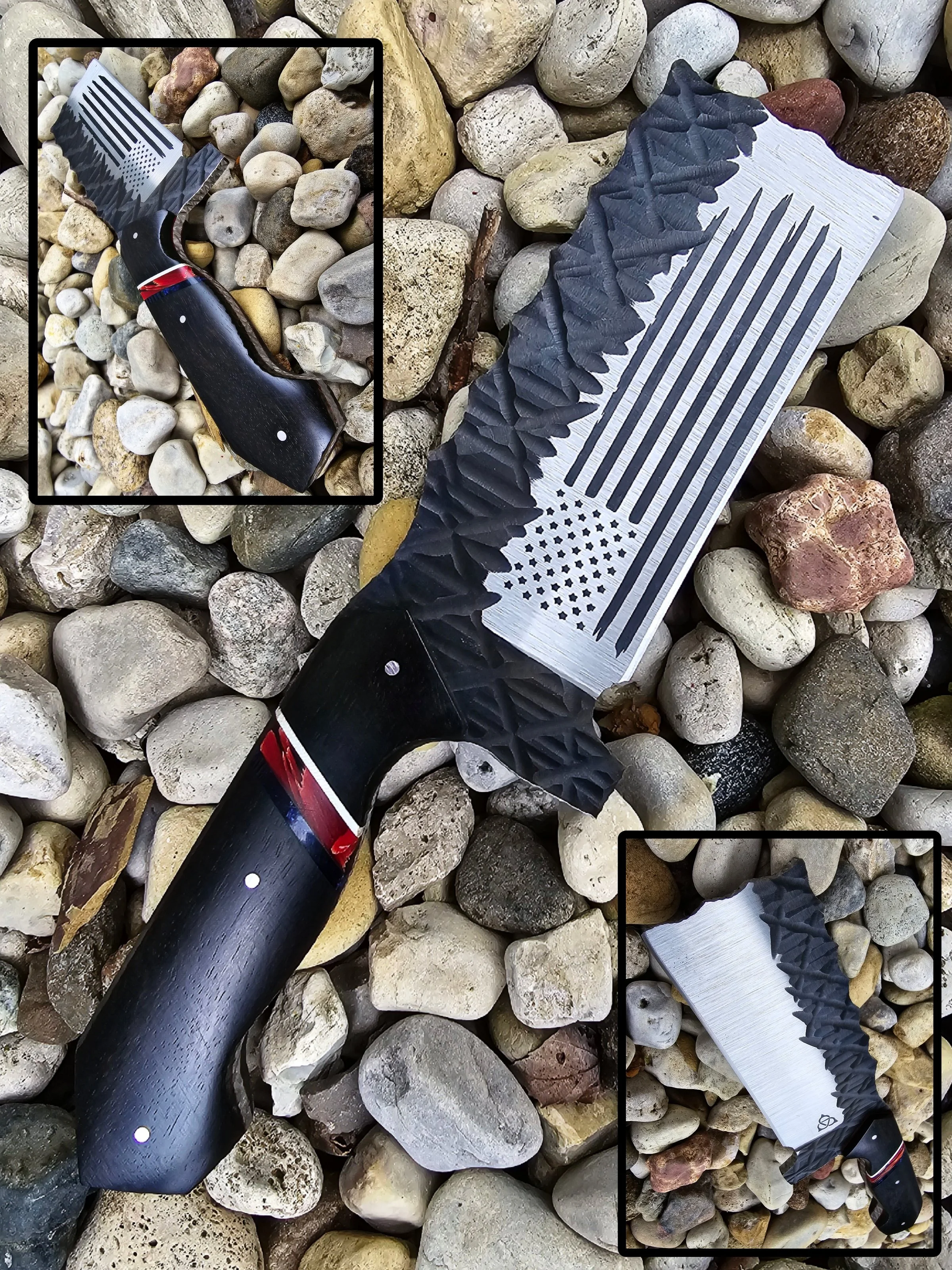
Cleaver
The cleaver blade is defined by its tall profile, broad face, and substantial weight. Unlike narrower blade shapes, the cleaver uses mass and edge alignment to do the work, allowing it to cut efficiently with minimal force from the user. The wide blade face also makes this profile useful for transferring food or materials during work.
Best uses:
Food preparation and butchery
Chopping and push cutting
Breaking down large ingredients or materials
Users who prefer weight-forward blades
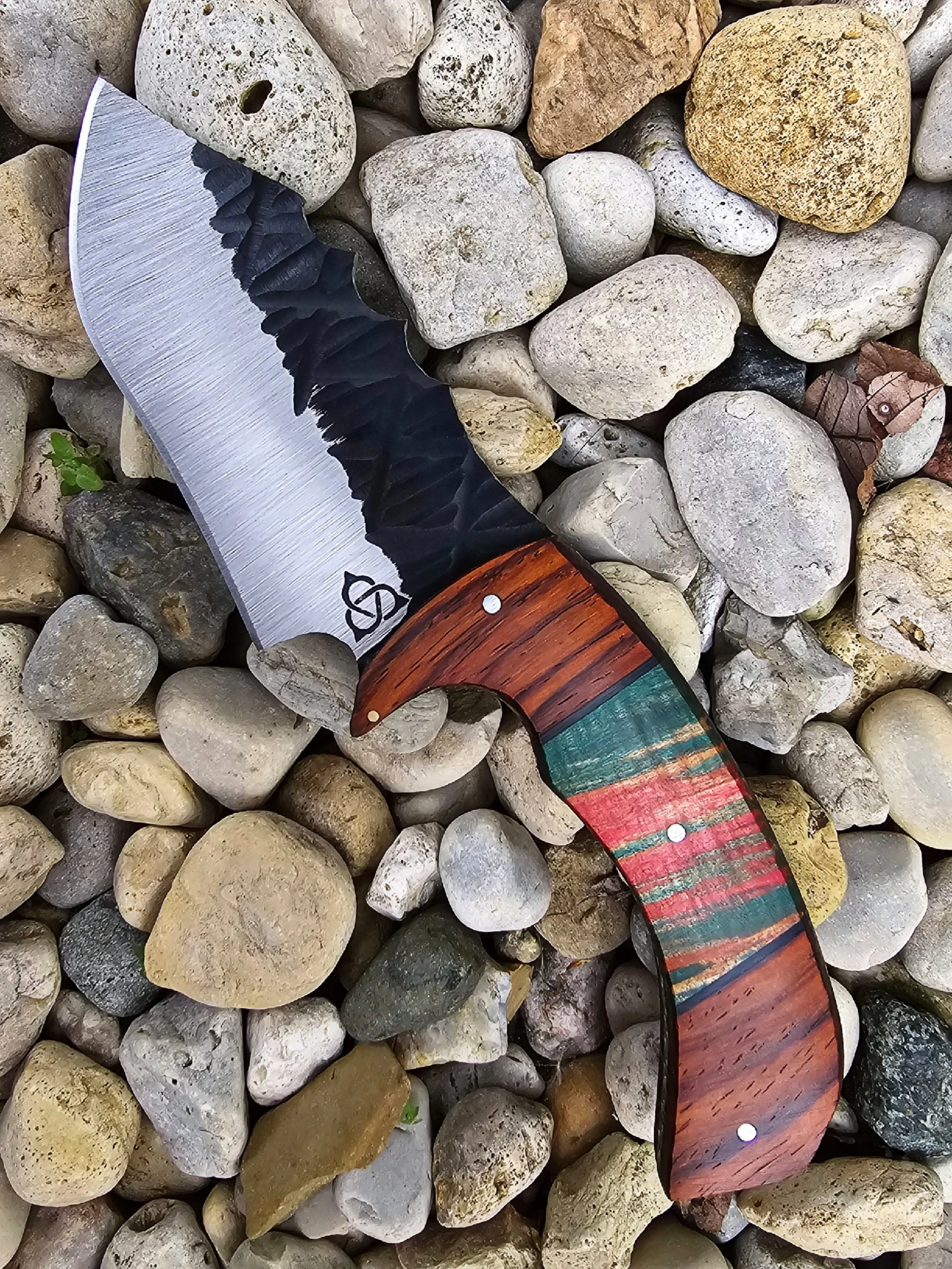
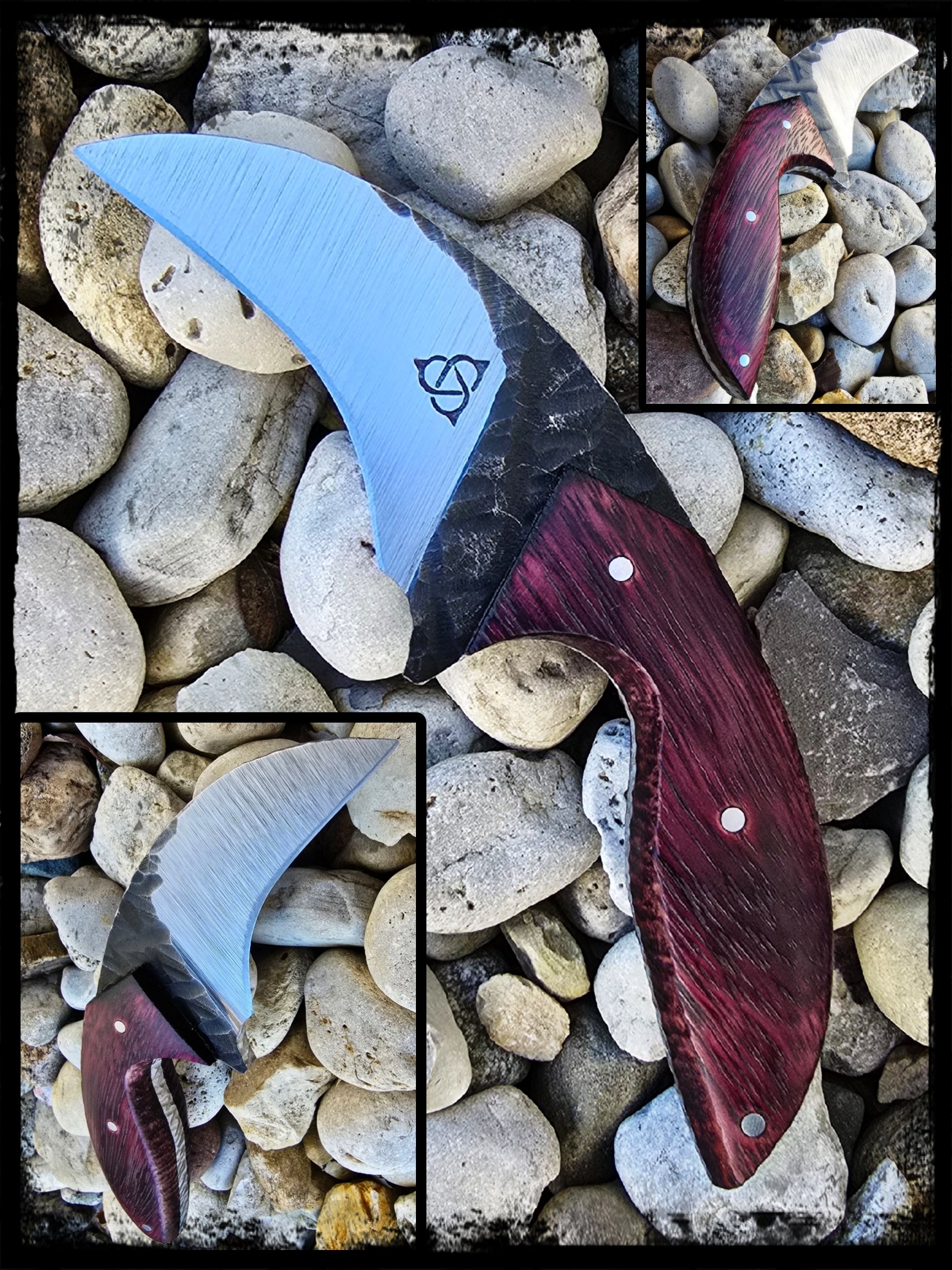
Hawkbill/Talon
The hawkbill blade curves downward, focusing cutting force toward the inside of the blade. This design is highly effective for pull cuts and prevents material from slipping off the edge. This is ideal for users who need performance tailored to specific tasks rather than a general-purpose blade.
Best uses:
Pull cuts on fibrous materials
Gardening and pruning
Utility and trade work
Why Blade Profile Matters in Handmade and Custom Knives
In mass-produced knives, blade shape is often chosen for efficiency. In handmade and custom knives, blade profile is chosen for intent. Every curve, angle, and transition is deliberate, affecting how the knife feels and performs.
At Gordian Key Forge, blade profiles are matched to the user, the task, and the environment the knife will be used in. Whether you’re looking for a versatile everyday knife or a specialized cutting tool, understanding blade profiles helps you appreciate the craftsmanship behind a truly custom blade and choose one that will serve you for years to come.
Check out my gallery to see what I’ve created in the past as I’ve made something for every blade profile there is and can recreate to make it your own!
Thanks for stopping by and stay sharp folks!
-Jon